Torn between Roswell’s charming historic homes and the ease of newer construction? You are not alone. Each path offers real benefits, from walkable downtown character to modern layouts and lower first-year maintenance. In this guide, you will learn how these options compare by location, architecture, upkeep, energy performance, resale, financing, and rules that can affect your plans. Let’s dive in.
Where you find each home type
Historic homes cluster in and around Roswell’s downtown Historic District, especially near Canton Street, the Old Mill and Vickery Creek, and the landmark house museums like Bulloch Hall and Barrington Hall. The city’s adopted Historic District Master Plan and design standards guide changes to properties in this area, which helps preserve the look and feel of the district. You can review the city’s Historic District Master Plan to understand boundaries and processes.
Public resources also shape the setting. Old Mill Park and the Vickery Creek trails provide scenic views and access to nature, but proximity to the creek can raise questions about topography and flood considerations. Explore the area and park context through the city’s Old Mill Park and Vickery Creek overview.
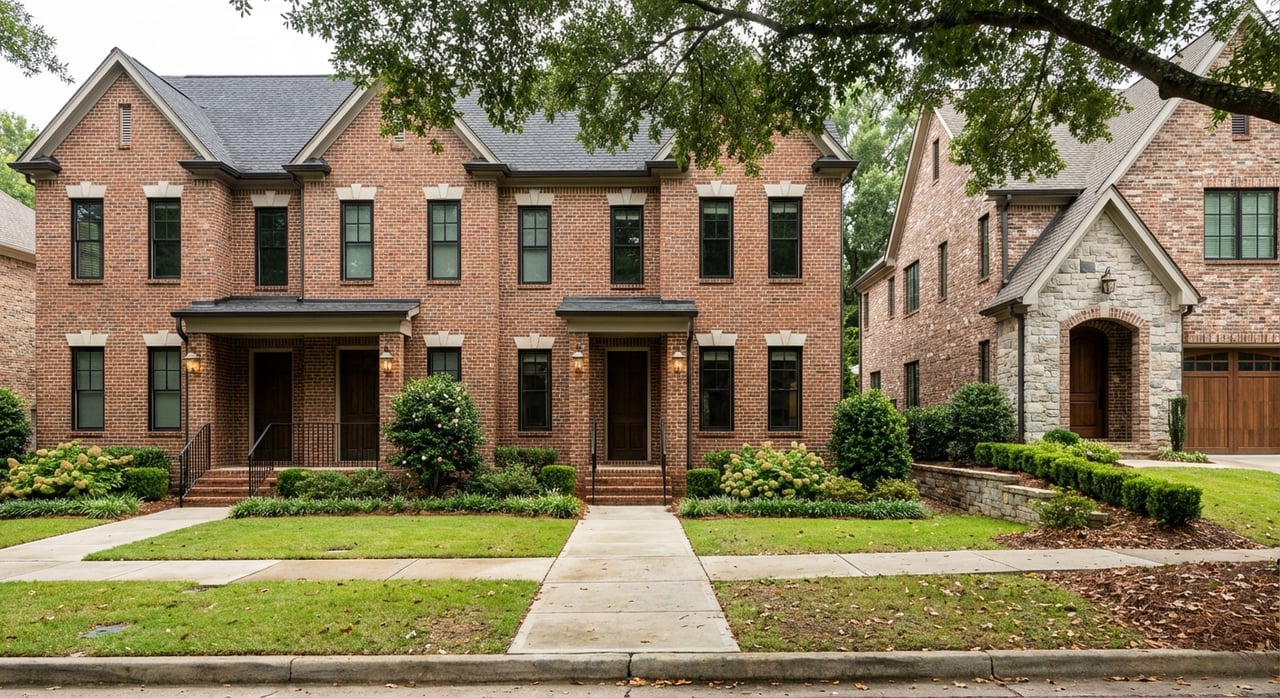
Newer construction is more common outside the National Register historic core. You will often see recent single-family homes, townhomes, and mixed-use infill in East Roswell, along major corridors like Holcomb Bridge, Alpharetta Road, and Old Alabama, and in suburban subdivisions. City zoning, the Unified Development Code, and design guidelines influence where and how new homes are built and ensure compatibility in and near the historic district. For context on local design expectations, review Roswell’s Unified Development Code design guidelines.
Architecture and layout differences
Historic homes: details and flow
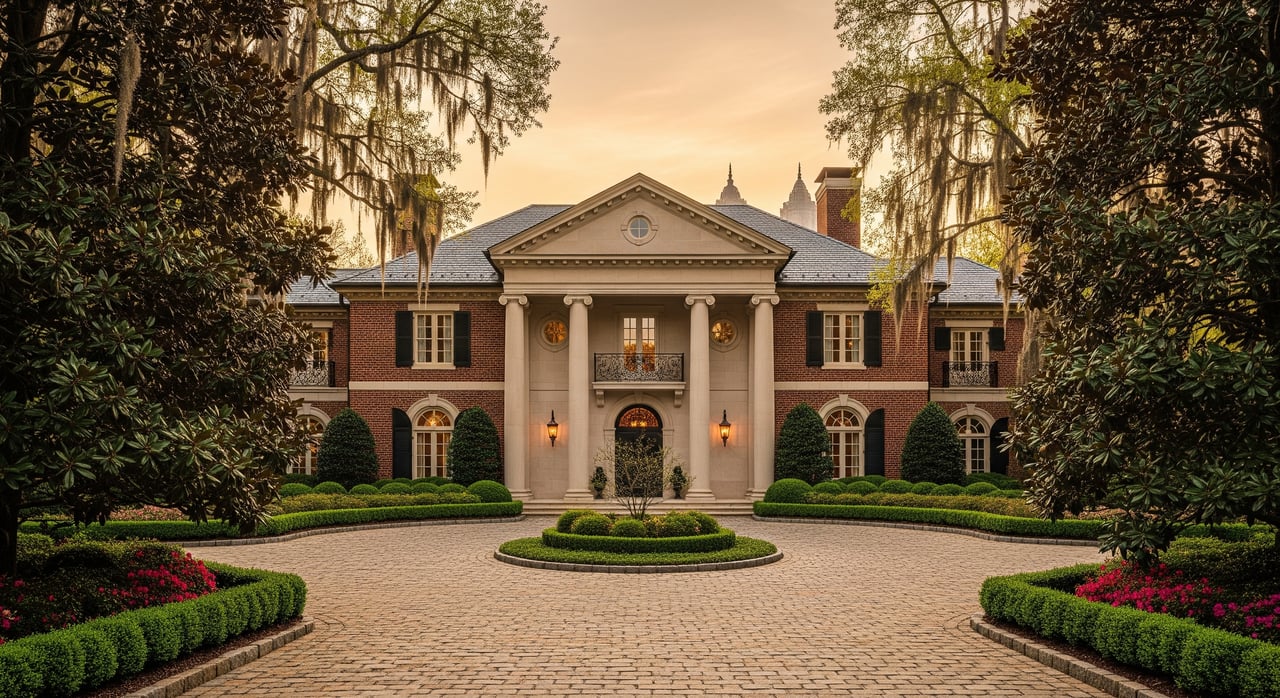
Roswell’s best-known historic houses date to the 19th century. Greek Revival estates like Bulloch Hall and Barrington Hall offer classically proportioned facades, deep porches, and period millwork. You will also find later Victorian-era details, worker cottages near the mill, and early 20th-century Craftsman elements in some pockets. Mature trees, established gardens, and irregular lot lines often add to the setting.
Inside, many older homes were designed with formal rooms, smaller separate kitchens, narrower hallways, and modest closet space by today’s standards. While many have been updated, opening walls or reconfiguring rooms can be more complex and, in locally regulated properties, may be constrained by preservation standards. For a sense of period planning, see common Victorian-style layout characteristics.
Newer homes: space and function
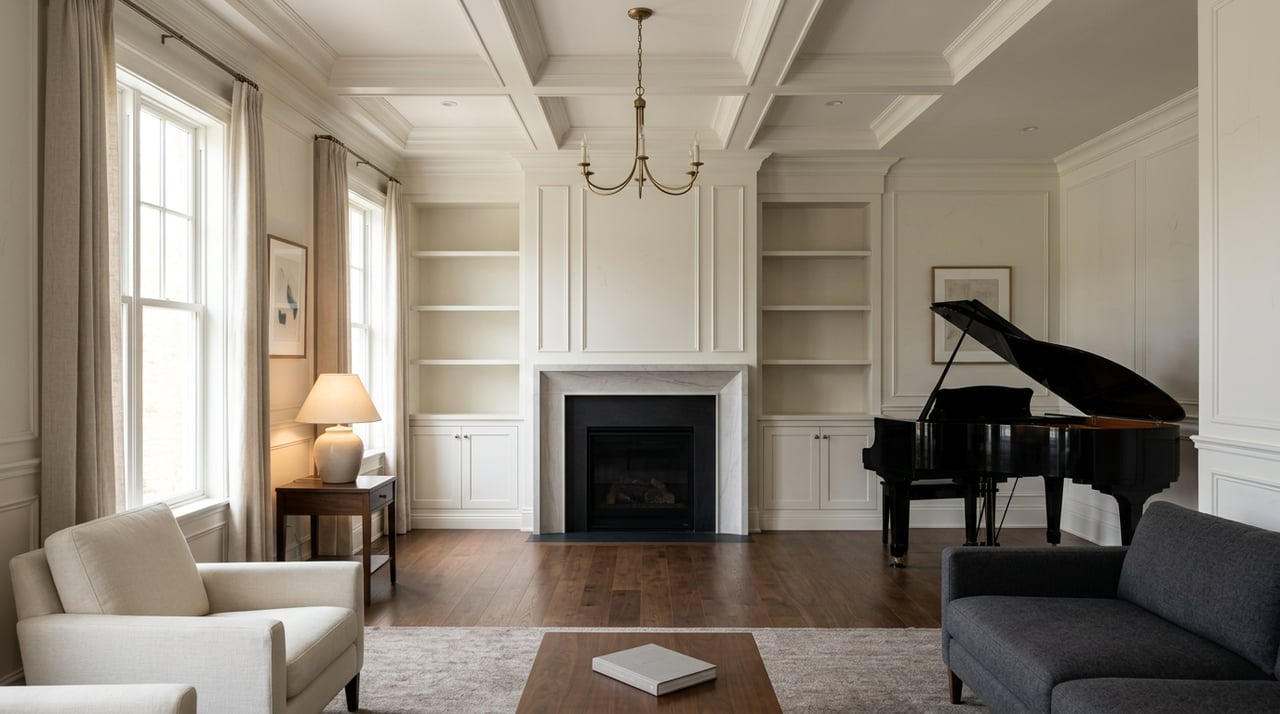
Recent Roswell builds tend to favor open-plan living that connects the kitchen and family room, with larger islands, walk-in pantries, and generous primary suites with bigger closets. You will commonly find multiple full bathrooms, attached two-car garages, and storage solutions that support everyday function. Builders often use modern windows and materials, plus energy-efficient HVAC and insulation that meet current code.
On the outside, newer communities may have more uniform lot sizes and consistent setbacks. Historic properties, especially near the core, often sit on irregular lots with mature canopies that shape privacy, shade, and curb appeal. In and around the historic district, design guidance helps new projects align with the area’s established scale and character. Review Roswell’s UDC design guidelines to understand compatibility standards.
Maintenance and systems
What to expect with historic homes
Older homes can be very durable, but they often require more hands-on care. Common items include repairing original wood siding and trim, repainting, porch and foundation maintenance, attention to historic windows, and moisture control in crawl spaces. Selective upgrades to HVAC, electrical panels, and plumbing may be needed depending on age and condition. If a property sits in a regulated historic overlay, visible exterior changes may require formal review, as outlined in the city’s design guidelines.
For pre-1978 homes, understand the EPA’s Renovation, Repair and Painting Rule, which requires lead-safe practices and certified contractors when disturbing painted surfaces. Get familiar with the EPA’s RRP program guidance before planning work. Asbestos-containing materials may also be present in some older properties and should be handled by qualified professionals.
Georgia’s warm, humid climate increases the risk of termites and wood rot. The University of Georgia Extension recommends routine inspections and professional prevention strategies for homeowners. Learn more from UGA Extension’s overview of termite risks and control in Georgia.
Energy and comfort upgrades
Older homes often start with lower insulation levels, older HVAC equipment, and single-pane or original windows. The good news is that targeted air sealing, attic insulation, duct sealing, and efficient HVAC replacement can significantly improve comfort and lower bills. The U.S. Department of Energy highlights these as high-value retrofits; see DOE guidance on insulation and air sealing improvements.
Newer construction generally meets modern energy code expectations, including better insulation, efficient windows, and up-to-date mechanical systems. That often translates to lower first-year maintenance and more predictable utility costs. If energy performance is a priority, ask for builder specs, recent utility averages, or consider a third-party energy audit.
Resale, financing, and rules
Historic downtown properties benefit from scarcity, walkability, and proximity to Canton Street amenities, which supports long-term demand among buyers who value character and location. Roswell’s celebrated house museums, noted by the Atlanta Journal-Constitution, underscore the city’s historic draw and civic investment in preservation. For context, read about Roswell’s museum-quality homes in the AJC’s coverage.
Newer homes often appeal to buyers seeking open layouts, modern systems, and energy efficiency. In product segments with tight inventory, these homes can move quickly when priced well. In all cases, condition, lot features, and proximity to amenities influence value and days on market.
If you plan financing with FHA or certain other programs, remember that appraisals must show the property is safe, sound, and secure. Older homes with deferred maintenance or outdated systems can trigger repair conditions before closing. Review the FHA’s Minimum Property Requirements in the Single Family Housing Policy Handbook and talk with your lender early.
Local rules also matter. Within Roswell’s historic overlays, the Design Review Board or Historic Preservation Commission may need to approve exterior changes. This process helps maintain neighborhood character. You can find city guidance in the Historic District Master Plan and UDC design guidelines.
Quick buyer checklist
Use this checklist to compare specific properties and streamline your due diligence:
- Is the home inside a locally designated historic area or streetscape overlay? If yes, confirm what exterior changes need Historic Preservation Commission or Design Review approval. See the city’s Historic District Master Plan.
- Are there permits or records for major renovations like roof, foundation, structural changes, or mechanicals? Ask for copies and check city records. Review Roswell’s UDC design guidelines for process context.
- Is the property near Vickery Creek or in a mapped flood zone? Verify with FEMA’s Map Service Center resources and request elevation or flood insurance details if applicable.
- For pre-1978 homes, have lead-based paint risks been addressed? Renovations must follow the EPA’s RRP rule. Ask about lead disclosures.
- What is the termite treatment and inspection history? Consider a current inspection for any older wood-frame home in Georgia. See UGA Extension’s termite guidance.
- What are the ages and service records of the roof, HVAC, electrical panel, water heater, and appliances? Get written estimates to update items that are near end-of-life.
- For comfort and cost control, has an energy audit been completed? If not, ask what retrofits are feasible, starting with air sealing, attic insulation, duct sealing, and HVAC upgrades. DOE guidance on insulation and air sealing is a helpful reference.
- For pricing, request recent, nearby sold comparables for both historic and newer homes. Adjust for condition, lot features, and proximity to Canton Street and parks.
Ready to compare specific homes and set a plan that fits your timeline and budget? Connect with a local expert who knows Roswell’s historic overlays, new-home communities, and lender and inspector partners. Reach out to Tatum McCurdy for a seamless, concierge-style path from touring to closing.
FAQs
What rules apply to renovating a historic home in Roswell?
- If the property sits in a local historic overlay, visible exterior changes often require review by the Design Review Board or Historic Preservation Commission; see the city’s Historic District Master Plan and UDC design guidelines for processes.
Are older Roswell homes more expensive to maintain?
- They can require more frequent maintenance, such as wood repair, repainting, moisture control, and selective system upgrades; budgeting for these items and using licensed pros can help you plan with confidence.
What inspections should I order for a historic Roswell home?
- In addition to a standard home inspection, consider termite, sewer scope, and lead-based paint evaluations for pre-1978 homes; specialized structural assessments may be appropriate based on age and condition.
Are newer Roswell homes typically more energy efficient?
- Yes, newer homes generally meet modern code for insulation, windows, and HVAC, which can lower utility costs; targeted retrofits can improve efficiency in older homes too, especially air sealing and attic insulation.
How does flood risk near Vickery Creek affect buying?
- Proximity to the creek can change topography and potential flood considerations; check FEMA flood maps for the exact parcel and ask about insurance, drainage, and any past mitigation work.
Can I use FHA or VA financing on a historic home?
- Often yes, but appraisals must show the property is safe, sound, and secure; older homes with deferred maintenance may need repairs addressed before closing under program guidelines.