Thinking about buying in an Alpharetta neighborhood with a homeowners association? You’re not alone. Many North Fulton communities use HOAs to maintain amenities, protect curb appeal, and set neighborhood standards. You also trade some flexibility and pay monthly or annual dues. In this guide, you’ll learn how HOAs in Alpharetta work, the real pros and cons, what dues typically cover, and exactly what to review before you buy. Let’s dive in.
What an HOA means in Alpharetta
An HOA is a private, nonprofit association that manages shared spaces, enforces community rules, and collects assessments to fund operations and long-term repairs. In Alpharetta and North Fulton, you’ll see HOAs across single-family subdivisions, townhome and condo communities, and some mixed-use developments. Boards are typically volunteer homeowners and many hire a professional management company to run day-to-day operations.
Common community types
- Single-family subdivisions: Planned neighborhoods with entry landscaping, sidewalks, and often a pool and playground. Homeowners usually handle their own yard care.
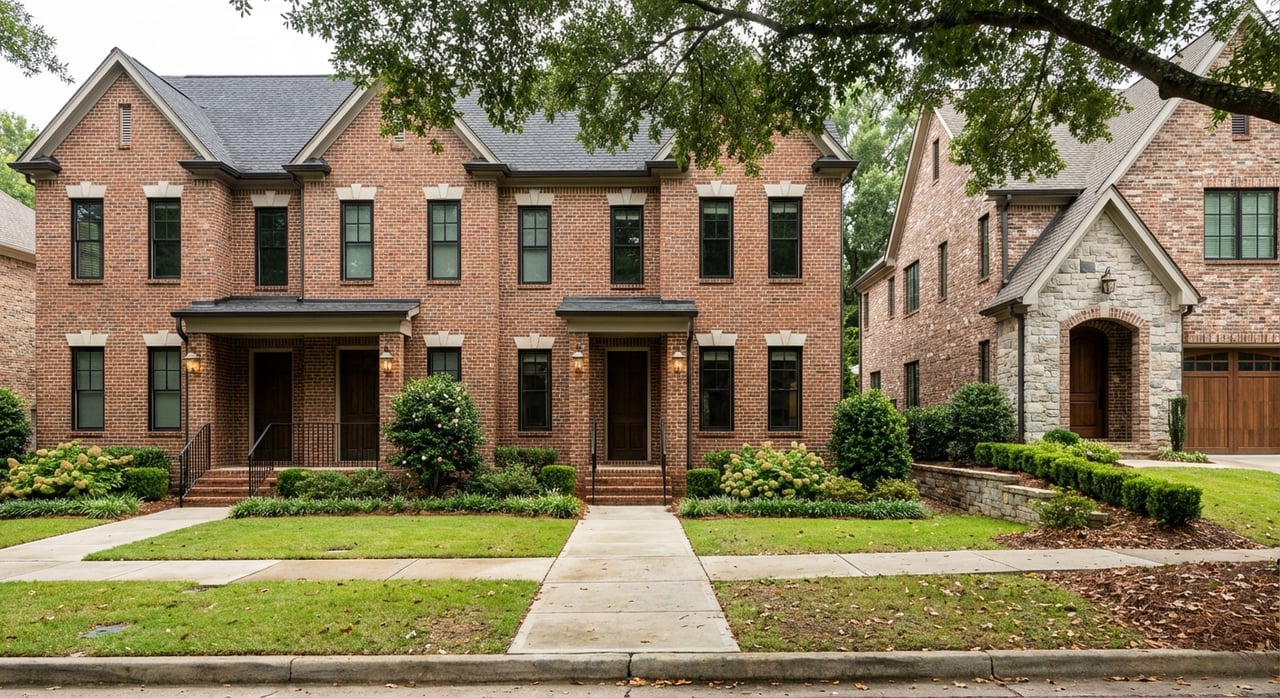
- Townhomes and condos: Attached homes where the association often covers exterior maintenance, roof, building insurance, and shared amenities.
- Mixed-use communities: Residential near retail or office may have a master association with sub-associations. You could pay separate fees to each.
Pros of HOA living
- Consistent appearance: Architectural controls and design standards help maintain a cohesive look, which can support property values.
- Maintained common areas: Landscaping, lighting, and entry features are cared for by the association, which reduces upkeep for you.
- Amenities: Many Alpharetta communities offer pools, clubhouses, fitness centers, playgrounds, sports courts, walking trails, and sometimes gated entry.
- Low-maintenance options: In townhome and condo communities, exterior upkeep and some utilities or trash services may be included.
- Community engagement: Boards often organize neighborhood events and manage shared spaces like dog parks or stormwater areas.
Potential drawbacks to weigh
- Rules and approvals: Architectural control committees review exterior changes. Expect limitations on paint colors, fencing, additions, and landscaping.
- Dues and assessments: You will owe regular assessments and, at times, special assessments for capital projects.
- Enforcement: Associations can levy fines and place liens for unpaid dues. Processes and remedies vary by governing documents and jurisdiction.
- Rental and use limits: Many communities restrict rentals, pets, parking, and short-term rentals, which can affect your plans.
Typical HOA costs in Alpharetta
HOA dues vary widely and depend on amenities, maintenance scope, and the size and management of the association. You may pay monthly, quarterly, or annually, and a portion typically goes to reserves for future repairs.
What drives dues
- Amenity level: Pools, staffed clubhouses, security, and larger common areas increase costs.
- Maintenance scope: Exterior upkeep, private roads, irrigation, street lighting, and common utilities add to the budget.
- Association size: Smaller communities often have higher per-home costs because fixed expenses are shared by fewer owners.
- Reserves and capital needs: Healthy reserve funding reduces the risk of big one-time assessments.
- Management model: Professional management improves reliability but adds administrative expense.
- Local costs: Labor, insurance, and utilities across metro Atlanta influence annual budgets.
Typical fee ranges
- Minimal-service communities: Basic landscaping and entry maintenance often fall in the tens to low hundreds per month.
- Amenity-rich subdivisions: Pools, clubhouses, and security commonly land in the low hundreds to several hundreds per month.
- Townhome and condo associations: Often at the higher end because dues may cover building insurance, roofs, exterior repairs, and more.
Special assessments and financial risks
Even well-run associations may need special assessments for capital projects or emergencies. Watch for:
- Underfunded reserves that make fees volatile.
- High owner delinquency rates that strain the budget.
- Pending lawsuits that can increase insurance costs or trigger assessments.
- Insurance gaps or large deductibles that shift costs to owners.
Resale and financing effects
A well-maintained, well-funded association can support value stability and attract buyers who want amenities and predictability. On the other hand, high dues, frequent special assessments, or inconsistent rule enforcement can reduce buyer interest.
Resale considerations
- Strong reserves and clear governance often help marketability.
- Restrictive rules or a history of assessments can shrink the buyer pool.
- Appraisals consider HOA dues because they affect monthly housing costs.
Financing for condos and townhomes
- Condominiums require extra lender review and, for some loan types, project approval. Lack of approval can limit financing options.
- If you plan to use government-backed financing, check with your lender on the project’s status early in the process.
Due diligence checklist before you buy
Request the documents below from the seller or the association. A closing attorney or title company can help obtain resale or estoppel certificates.
Governing documents
- CC&Rs: Review use restrictions, rental rules, and enforcement powers.
- Bylaws and Articles: Understand board structure, meetings, and elections.
- Rules and Regulations: See day-to-day rules on parking, pets, and landscaping.
Why it matters: You’ll know the lifestyle standards and how rules can be changed.
Financial documents
- Current budget and recent financials: Gauge operating health and burn rate.
- Reserve study or reserve balance and schedule: Check planning for roofs, roads, and major components.
- CPA review or audit if available: Adds financial transparency.
- Delinquency report: High delinquencies are a warning sign.
Why it matters: Confirms whether dues cover expenses and capital needs.
Assessment history and plans
- Past special assessments or large dues increases.
- Notices about upcoming capital projects and timelines.
Why it matters: Indicates potential cost volatility.
Insurance and claims
- Association insurance certificate and deductibles.
- Loss assessment exposure to owners.
Why it matters: Guides your personal insurance choices and risk planning.
Legal and compliance
- Disclosure of any pending or recent litigation.
- Records of enforcement actions and rule changes.
Why it matters: Legal disputes can signal governance or financial stress.
Minutes and management
- Board meeting minutes from the last 6–12 months.
- Management contract if the association is professionally managed.
Why it matters: Reveals priorities, vendor stability, and transparency.
Resale or estoppel certificate
- Current dues amount, payment status, and pending assessments or violations.
- Time limits and fees for issuance.
Why it matters: Required for closing and lender underwriting.
Architectural guidelines
- ACC standards and application steps for exterior changes.
- Expected timelines for review.
Why it matters: Helps you plan remodels, landscaping, and costs.
Red flags to watch
- Low or no reserves with aging roofs, roads, or buildings.
- Frequent special assessments or recent large fee increases.
- Active or substantial litigation against the association.
- High delinquency rate among owners.
- Vague CC&Rs or inconsistent enforcement.
- Condo community not approved for certain loan programs when you need them.
Smart questions to ask
- What do dues include and exclude?
- How much have dues increased recently, and why?
- Are special assessments planned or under consideration?
- What is the reserve balance and date of the last reserve study?
- Are there current or pending lawsuits?
- What rental or pet restrictions apply?
- Is the association professionally managed? Who is the contact?
- Are there known structural or infrastructure issues?
HOA vs non-HOA: finding your fit
If you value amenities, consistent curb appeal, and shared maintenance, an HOA community can be a strong match. If you want full control over exterior changes, minimal rules, or no dues, a non-HOA neighborhood might be better. Many Alpharetta buyers land in the middle and focus on well-run associations with reasonable dues and clear rules.
Next steps in Alpharetta
- Compare communities: Tour a few neighborhoods to see amenity quality and maintenance first-hand.
- Review documents early: Request key HOA documents during your offer period and read them closely.
- Align on financing: If you are considering a condo, talk to your lender early about project approval requirements.
- Lean on local expertise: A North Fulton agent can share recent fee examples, common restrictions, and resale dynamics across comparable communities.
When you are ready, connect with a local specialist who combines market knowledge with a smooth, concierge-style process. If you want help weighing HOA options and negotiating the right protections, reach out to Tatum McCurdy.
FAQs
What are typical HOA dues in Alpharetta?
- Dues vary by community type and amenities. Minimal-service neighborhoods may be in the tens to low hundreds per month, while amenity-rich and condo communities often run in the low to several hundreds.
What do condo or townhome dues usually cover?
- Attached-home dues often include exterior maintenance, roof, building insurance for common elements, and shared amenities. Always confirm the exact inclusions in the budget and insurance certificate.
How do HOAs affect resale value?
- Well-run associations with solid reserves and desirable amenities can support value stability. High dues, frequent special assessments, or restrictive rules can reduce buyer interest.
Can an HOA place a lien for unpaid dues?
- Associations typically have the power to levy fines and place liens for unpaid assessments, and may seek legal remedies. Specific processes depend on governing documents and local law.
Are rentals restricted in Alpharetta HOA communities?
- Many associations set rental caps or rules that limit leasing. Review CC&Rs and rules to understand any caps, waitlists, or term limits before you buy.
What should I review before buying into an HOA?
- Start with CC&Rs, bylaws, rules, the current budget, reserve study or balances, meeting minutes, insurance, litigation disclosures, and the resale or estoppel certificate.
Do HOA dues impact my mortgage approval?
- Yes. Lenders and appraisers factor dues into monthly housing costs, which can affect loan qualification and appraised value. Condos may also require project approval for certain loans.