If you want room to spread out without feeling far from everyday convenience, Milton stands out. This North Fulton city blends open land, horse-friendly infrastructure, and suburban access in a way that is hard to find elsewhere in metro Atlanta. If you are exploring acreage, a horse property, or simply a home with more privacy and flexibility, understanding how Milton works can help you buy with confidence. Let’s dive in.
Why Milton Fits Acreage Buyers
Milton has built its identity around land preservation and equestrian living. According to the City of Milton, the city has more than 41,000 residents across over 39 square miles, and about 85% of its land is agriculturally zoned. In many areas, that means residential lots must be at least one acre.
That land pattern gives Milton a very different feel than many suburban markets. You can still be near Alpharetta, Roswell, Cherokee County, and Forsyth County, but the overall setting remains more open and rural in character. For many buyers, that balance is the main appeal.
If you are comparing locations, Milton often feels rural but not remote. The city highlights access to schools, restaurants, and shops while preserving a small-town atmosphere and larger parcels. That combination can be especially attractive if you want privacy, outdoor space, or room for hobby farming and equestrian use.
Equestrian Living Is Part of Daily Life
In Milton, horse properties are not tucked away into a single pocket. The city says horse farms are spread throughout the community, which helps equestrian living feel woven into everyday life rather than separated from it. You see that in the road network, public planning, and local identity.
Milton also makes its equestrian roots visible in public policy. The city maintains an Equestrian Community page and has a formal Equestrian Committee, which signals that horse-related land use is an active part of civic planning. That matters if you are looking for a place where equestrian ownership is established and understood.
The scale is notable too. The city reports that its Equestrian Committee counted more than 200 active horse farms around Milton. For buyers, that helps explain why horse ownership here can feel both practical and culturally familiar.
What Acreage Properties Often Offer
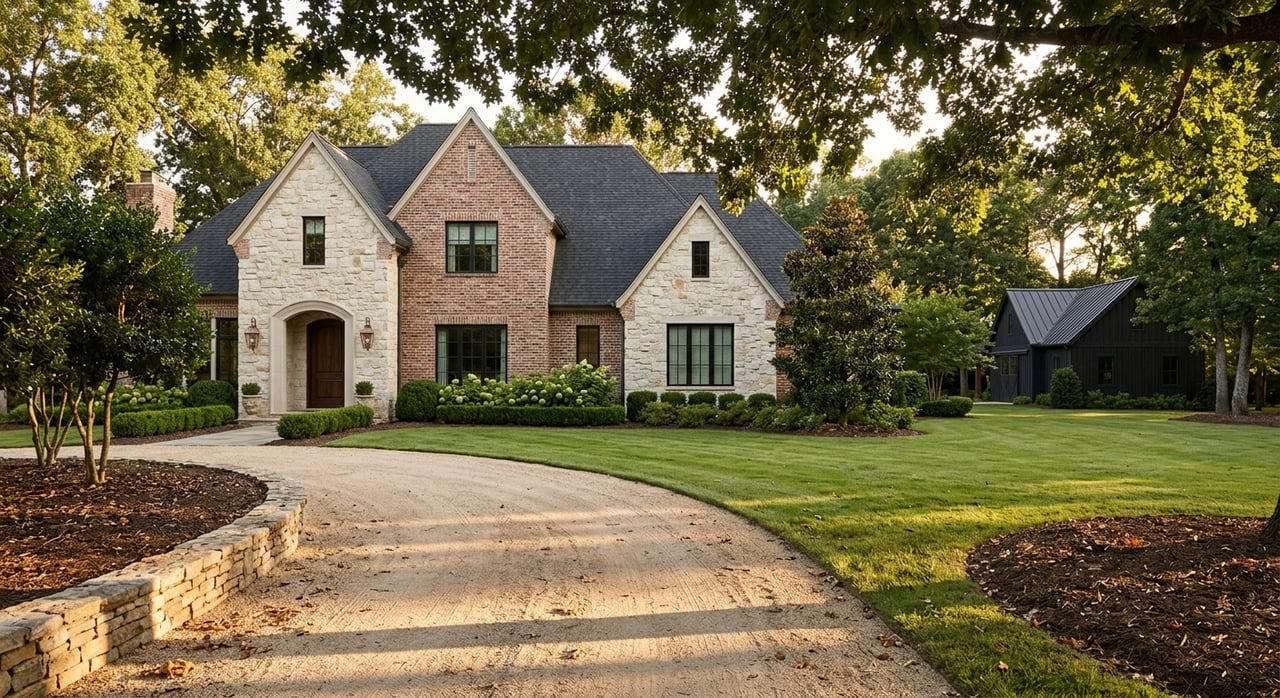
Not every acreage home in Milton is a full horse farm, and that is part of the market’s appeal. Some buyers want a one-acre homesite with extra privacy. Others want several acres for barns, pasture, storage buildings, or future flexibility.
The city defines a large lot as 3 acres or more. That gives you a helpful benchmark as you search. In practice, buyers often think in three broad categories:
- 1-acre AG-1 parcels for privacy and usable outdoor space
- 3-acre-plus estate lots for more separation and flexibility
- Larger farm tracts for horses, pasture, and specialized improvements
If you are specifically shopping for equestrian features, local facilities show the range of what exists in the area. Laguna Stables describes a 50-acre property with four barns, three arenas, and 20 pastures. Public-facing examples listed in the research also include Mystique Dressage and Ellabron Stables, showing that Milton supports a range of boarding, training, and riding setups.
Public Amenities Support Horse Owners
One reason Milton stands out is that horse-friendly planning extends beyond private property. The city has invested in public land and trail access with equestrian use in mind, which adds real value for many owners.
For example, Birmingham Park improvements include horse-trailer parking, hitching posts, connecting trails, and a dedicated well for horses. The Freemanville-Birmingham greenspace was also designed with trailer turnaround space and equestrian use in mind.
That kind of infrastructure can make daily life easier. Even if you own acreage, nearby public amenities may support trail riding, hauling, and general usability in a way that not every suburban market can offer.
Zoning Matters Before You Buy
Acreage purchases in Milton require more due diligence than a typical neighborhood home. Lot size, animal use, setbacks, access, and structures all matter, especially if you are planning to keep horses or add improvements after closing.
Milton adopted a Unified Development Code in 2024. City staff said in late 2025 that current AG-1 regulations require 60-foot front yard setbacks and 50-foot rear yard setbacks. Those rules can affect where you place a home addition, barn, arena, or other outbuilding.
The city’s FAQ page also notes that outside agricultural zones, a single premises may keep no more than five horses, mules, asses, or cows, with certain exceptions for licensed or commercial uses. The same FAQ says square-footage rules apply on non-AG-1 land. If your goal is horse ownership, the zoning category is one of the first items to confirm.
Milton is also discussing possible ways to preserve large parcels, including potential incentives related to 10-plus-acre properties and equestrian structures. However, the city describes those as possibilities rather than settled rules. If you are counting on a future use or improvement, make sure you verify what has actually been adopted.
What to Check on a Horse Property
Before you move forward on a Milton acreage purchase, it helps to look beyond the house itself. Land can create great opportunity, but it can also bring more variables.
Focus your review on these key items:
- Zoning classification and whether your intended use is allowed
- Setbacks that affect barn, arena, and outbuilding placement
- Driveway layout and trailer access for trucks, equipment, and horse trailers
- Trees and buffers that may limit clearing or expansion
- Existing structures and whether barns or arenas need approvals or updates
- Utility setup, especially if the property uses septic
These details are especially important if you are buying for a future lifestyle, not just current improvements. A property may have enough acreage on paper, but layout and code requirements can still shape what is realistically possible.
Utilities and Daily Property Management
Living on acreage often means thinking differently about systems and upkeep. Milton’s FAQ says water and sewer service is handled by Fulton County unless a property uses septic, which is generally in use for lots one acre and over. The city also lists providers such as Georgia Power, Cobb EMC, Sawnee EMC, Comcast, AT&T, and Atlanta Gas Light.
That utility mix is helpful to understand early in your search. Larger lots can involve different maintenance needs than smaller suburban homes, especially if you are managing fencing, pasture, drainage, or detached structures.
If you plan to keep horses, ongoing land management is part of ownership. The UGA Extension equine resources cover horse management, forage systems, and pasture-related topics that are relevant for Georgia acreage owners. Even experienced buyers benefit from reviewing how local soil, forage, and seasonal care affect property planning.
Local Support for Barn and Animal Safety
For horse owners, local support services can be just as important as lot size. Milton offers resources that reflect how common equestrian living is in the city.
Milton Fire-Rescue provides a free barn safety evaluation program. The city also has a Technical Large Animal Emergency Rescue unit that responds to large-animal emergencies.
Milton’s fireworks rules are another example. The city says fireworks are prohibited within 200 yards of the border of properties with equines, noting that many parts of Milton are affected because horse farms are so common. For buyers, that highlights how local regulations sometimes reflect the realities of acreage and horse ownership.
You Do Not Need a Full Farm Setup
One of the most practical things about Milton is flexibility. You do not have to own a fully built-out horse farm to enjoy the area’s equestrian lifestyle.
Some buyers want acreage for privacy first and horses second. Others may prefer to live on land while boarding nearby instead of maintaining stalls, arenas, and pastures at home. Milton is compiling a list of licensed riding facilities, and the public-facing examples in the research show that nearby boarding and riding options are part of the local landscape.
That flexibility can widen your search. Instead of limiting yourself only to turnkey equestrian estates, you may also consider homes with land, usable access, and room to adapt over time.
How to Buy Smart in Milton
The best Milton acreage purchase usually comes down to matching the property to your real goals. If you want privacy, your priorities may be lot shape, setbacks, and landscaping. If you want horses, you may care more about zoning, trailer access, pasture layout, and support structures.
This is where local guidance matters. Acreage and equestrian properties can look similar online while functioning very differently in person. A strong search strategy helps you compare not just price and size, but also usability, restrictions, and long-term fit.
If you are considering acreage or equestrian living in Milton, working with a team that knows North Fulton can help you move faster and avoid surprises. When you are ready to explore homes, land, or horse-friendly properties, connect with Tatum McCurdy for knowledgeable, concierge-style guidance tailored to your goals.
FAQs
What makes Milton, GA appealing for acreage living?
- Milton offers a rural land-use pattern with suburban access, and the city says about 85% of its land is agriculturally zoned, which supports larger lots and more open space.
What qualifies as a large lot in Milton, GA?
- The City of Milton defines a large lot as 3 acres or more, which is a useful benchmark when comparing estate lots and farm-style properties.
Can you keep horses on all properties in Milton, GA?
- No. Milton’s FAQ says rules differ by zoning, and outside agricultural zones a single premises may keep no more than five horses, mules, asses, or cows, subject to listed exceptions.
What zoning issues matter for horse properties in Milton, GA?
- Buyers should verify zoning, setbacks, access layout, tree and buffer requirements, and whether barns, arenas, or animal-related structures need approvals.
Are there horse-friendly public amenities in Milton, GA?
- Yes. Birmingham Park includes horse-trailer parking, hitching posts, connecting trails, and a dedicated well for horses, and other greenspace improvements were planned with equestrian use in mind.
What utilities should acreage buyers expect in Milton, GA?
- Milton’s FAQ says water and sewer are handled by Fulton County unless a property uses septic, which is generally common on lots of one acre and over.
Are there local resources for barn safety in Milton, GA?
- Yes. Milton Fire-Rescue offers free barn safety evaluations and has a Technical Large Animal Emergency Rescue unit for large-animal emergencies.
Can you enjoy equestrian living in Milton, GA without owning a full horse farm?
- Yes. Some buyers choose acreage homes for privacy and use nearby boarding or riding facilities instead of building and maintaining a full equestrian setup at home.